


Ambroise Paré
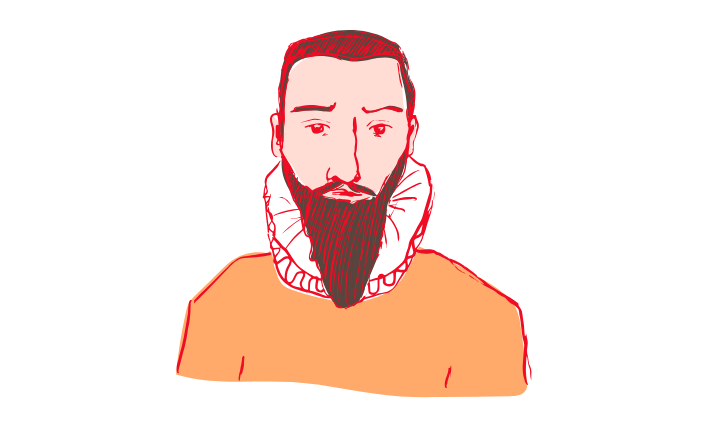
Ambroise Paré was born in 1510 in France. His first experience in medicine was working as an apprentice to his older brother, who was a barber surgeon, before going on to train at the Hotel Du Dieu hospital in Paris. He then worked as a surgeon in the French army for 30 years, where he learned directly from the battlefield.
Ointment
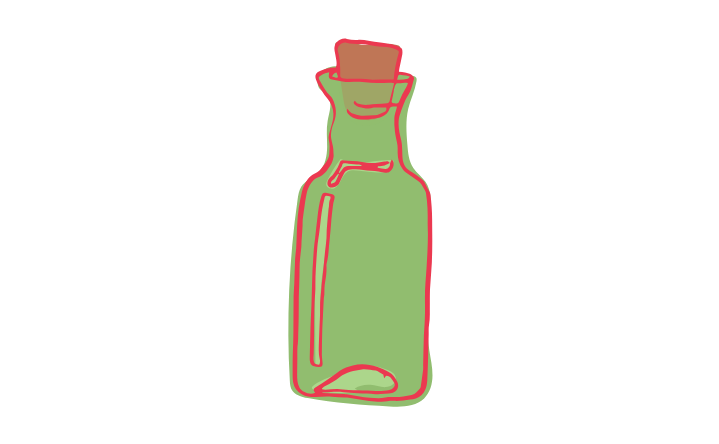
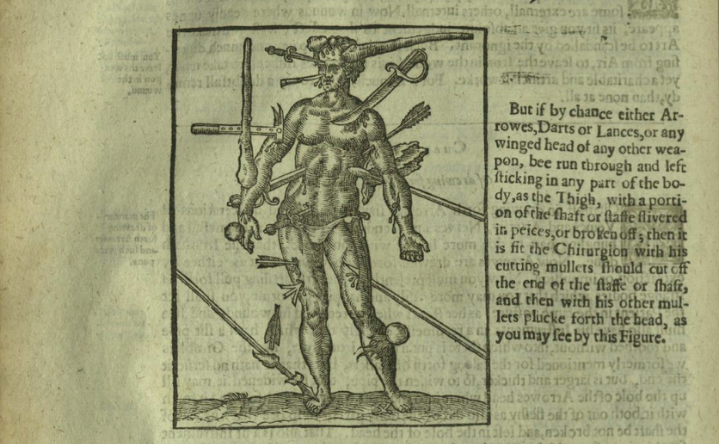
During his time as a surgeon in the French army, Paré often found himself treating terrible war wounds. During one particular battle – the Siege of Milan in 1536 – he ran out of hot oil which was used for cauterising wounds. He created a mixture of egg yolk, turpentine and oil of roses and used this to dress wounds instead. Patients found this far less painful and he discovered the next morning that it also had helped the healing process.
Cauterising wounds was common at this time. It meant when a patient had a limb amputated or suffered a serious wound, a surgeon would burn the flesh of the wound with a hot metal instrument to seal the blood vessels. This was a very painful procedure that sometimes even led to patients dying from shock, and the cauterisation wound would often become infected.
Ligatures
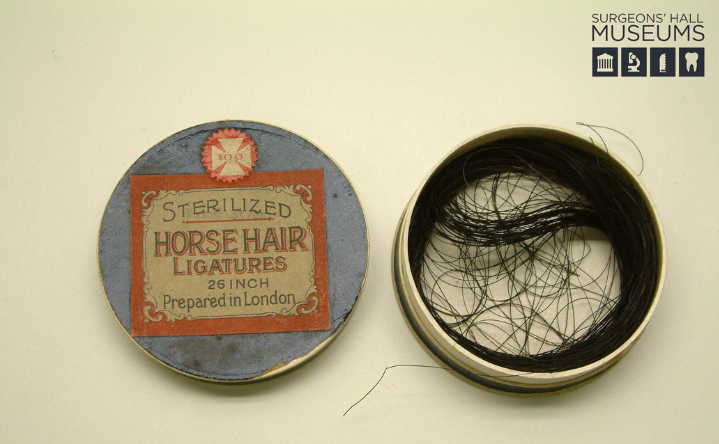
Paré began using ligatures to tie-off wounds instead of cauterising them, and found this effective in preventing the loss of blood and in healing wounds. However, Germ Theory wasn’t yet common knowledge so surgeons continued to handle patients with unclean hands and this still led to infection and death.
Artificial Limbs
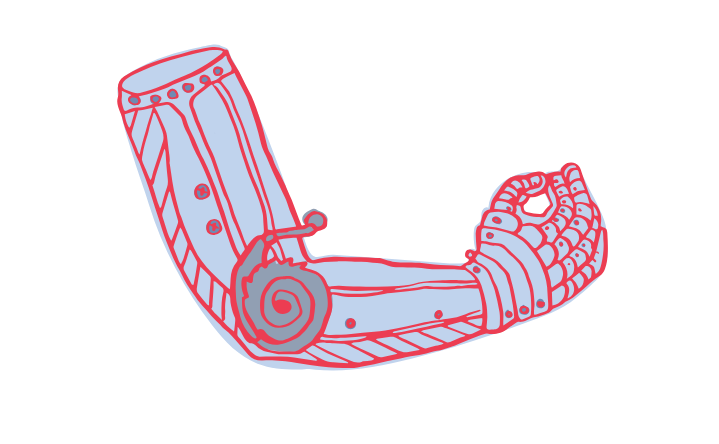
During his time working as an army surgeon, Paré also helped design some of the very first artificial limbs for soldiers who had lost their limbs in battle. Although artificial limbs have been developed significantly further since the Renaissance, there are similarities between Paré’s designs and what we see nowadays.
Impact
Paré became known as one of the “Fathers of Modern Surgery” for his development of new treatments on the battlefield. By working as a surgeon in the army and dealing with war wounds, Paré was able to discover new treatments and develop his knowledge. He then took what he learned and published a book for other doctors to learn from in 1575, known as Les Ouvres.
Although some people didn’t want to accept Paré’s ideas, once he became surgeon to the King of France, people began to support him.
Quiz yourself!
Want to share feedback on this content? Get in touch or fill out the form.

