


Housing
Housing in the Renaissance hadn’t improved much since the medieval period. Lots of medieval housing was still in use, so people experienced similar problems. However, medieval houses were gradually becoming replaced with houses made from brick and stone from the 1600s. These houses were still not constructed well, so people continued to live in damp conditions which made it more likely for them to pick up respiratory illnesses.
As well as living in poor quality housing, poorer people also lived together in small spaces and faced overcrowding. Renaissance housing wasn’t very spacious so family members would squeeze into small rooms and even share beds.
People used open fires to cook and heat their homes for most of the period. Coal was less popular because of the smell it gave off when it was burnt, but when it became cheaper in the 1600s more people started burning it. This created a build-up of dust and soot in chimneys which also led to respiratory illnesses.
Diet
Much like the medieval period, poorer people had a basic diet of bread and vegetables or pottage, sometimes eating fish or meat as a treat. However, a typical labourer’s daily wage wasn’t really enough to feed a family. Most food could be purchased on markets in the city streets for those who could afford it, but as there were no fridges or freezers, fresh produce like meat didn’t stay fresh for very long. This meant you were quite likely to get food poisoning! The harvest was still extremely important for Renaissance people – if a crop was ruined by bad weather then prices would increase dramatically. This meant poorer families would go without basics like bread.
Richer people ate large amounts during this period, but not as much variety as you might expect. Their diet mainly consisted of meats (anything from veal and mutton to pigeon and rabbit) and bread. The tradition of eating fish on a Friday also continued long after the Reformation.
People’s diet expanded as new products like chillies and tomatoes were transported from places like Asia and America (for those who could afford to try them!). New drinks were also introduced to the British diet when tea, coffee and hot chocolate were imported. These drinks relied on the sugar produced by enslaved African people who were based on British plantations in the Caribbean. Coffee houses began to open all over London and the people became addicted to coffee and sugar, which is when the nation’s dental health began to worsen.
When it came to staying hydrated, most people continued to drink alternatives to water like wine and beer as they knew the water would make them ill (even though they didn’t necessarily know why!).
Water
Accessing drinking water was still an issue in Renaissance Britain. Those who lived in the countryside might be able to access cleaner water from streams, springs or wells. But in the growing towns, it wasn’t quite as easy. You could pay for water to piped into your house, collect water for free from a conduit if it was available, or pay a water-seller to bring water to your house. No matter which option you chose, the water wasn’t safe to drink – and probably didn’t taste very nice either!
People didn’t bathe or shower daily like we do today, and they didn’t wash their clothes regularly either. Those people who lived near a river or stream could wash in the cold water, which probably wasn’t very pleasant. Candlemakers would make soap from any leftover animal fat for washing clothes, but this wasn’t suitable for washing your body. Soap made of olive oil for use on the skin was only available to those who could afford it. Having a bath in your home was only available to those who could afford servants, a steady supply of water, and – most importantly – a bathtub!
Streets
Walking down a typical street in a Renaissance town, you’d find yourself so surrounded by crowds of people and animals that it might be hard to get to where you need to go. Your clothes would be dirty, the air would be smoky, and you better be careful not to stand in animal dung!
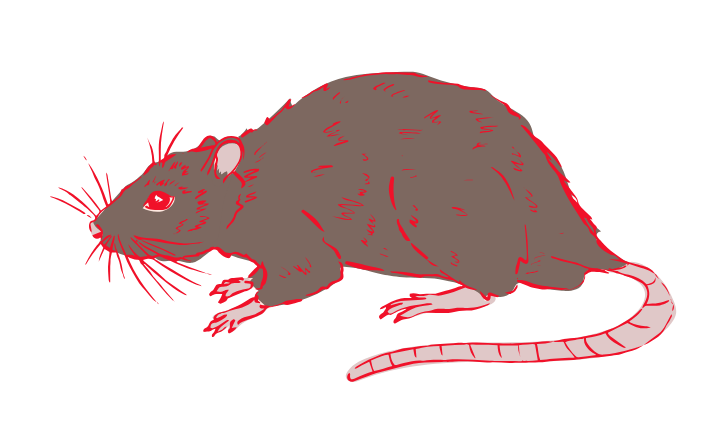
Some main streets might be cobbled, but lots of streets were just made of gravel that either turned to mud in the rain or dust in the summer. Animals were just as much a part of the street as people, where sheep and cattle were often herded along on the way to being slaughtered or sold. Stray cats and dogs and rats would also roam the streets too. And like in medieval times, small children could be run over by a horse and cart.
Waste
Most households in towns would put out their general waste (things like food and sweepings) in a basket outside their house. This would be collected once or twice a week by ‘scavengers’ who would sell it to gardeners based outside of the towns. For those people who forgot to leave their waste out to be collected, there were dunghills just outside of the town gates where waste could be tipped.
General waste was quite straightforward, but toilet waste was a big issue for Renaissance towns. If you lived by a river or a ditch, you could build a privy over the water to do your business. But the majority of people built their privy over a cesspits in their yard (or even within their house!), and these were prone to leaking. Cesspits were emptied every week or two by scavengers, usually during the night. The poorest people would empty their own cesspit by dumping it in their yard or an alley behind their home, creating more dunghills. As you can imagine, all of this toilet waste wasn’t good for people’s health!
Did You Know?
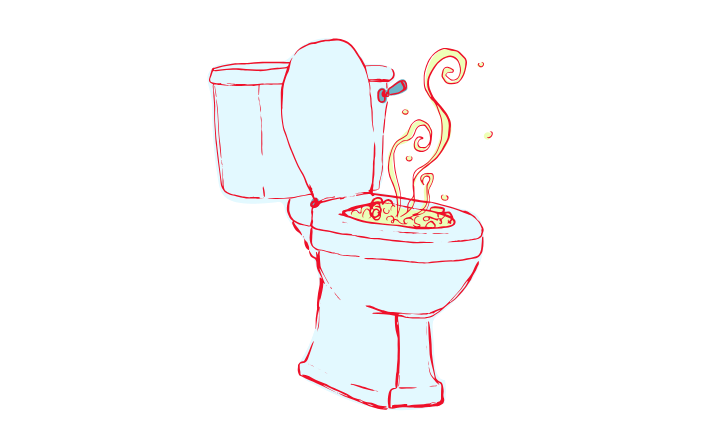
Queen Elizabeth I’s godson, Sir John Harrington, invented the first ever flushing toilet in 1596.
Quiz yourself!
Want to share feedback on this content? Get in touch or fill out the form.

