


Thomas Sydenham
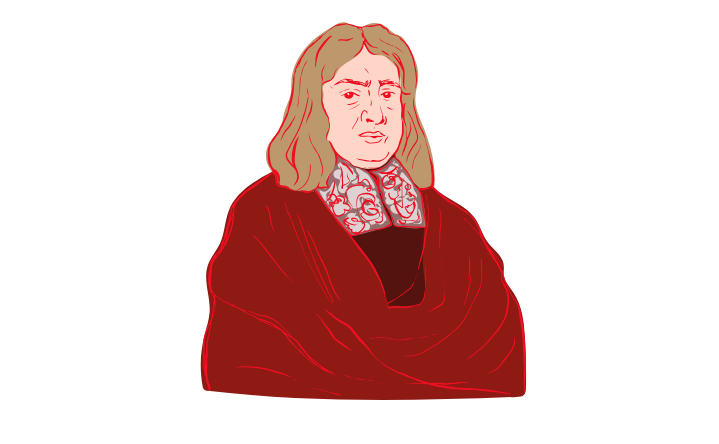
Thomas Sydenham was born in 1624 in England. He studied at both Oxford University and Cambridge University and later joined the Parliamentary Army, before becoming a physician in 1663 and setting up his practice in London.
Humanism

Thomas Sydenham was a humanist, which means he believed in scientific approaches. He disagreed with the idea of basing diagnosis and treatment on books. Instead, Sydenham believed in observing patients to understand the symptoms and possible treatments for illnesses. He questioned religious ideas, and didn’t believe that God was responsible for everything. This meant Sydenham also challenged older ideas, like those of Hippocrates and Galen. This wasn’t unusual during the Renaissance, when new ways of thinking started to appear. What was interesting about Thomas Sydenham is he combined some of the ancient ideas with his newer ideas.
Clinical Observation
Thomas Sydenham was passionate about clinical observation and insisted that observing patients and taking notes of their symptoms would help doctors diagnose and treat illnesses most effectively. He was against ideas based on books and actually encouraged the medical community to follow Hippocrates’ method of clinical observation. It’s no wonder he was nicknamed the “English Hippocrates”!

Sydenham believed illnesses and diseases were all different and would therefore need a different treatment. He suggested they should be categorised in the same way we categorise things like animals and plants. Using his method of observation was successful as it helped Sydenham and other doctors diagnose different types of illness and prescribe the right treatment. For example, Sydenham identified the difference between measles and scarlet fever, and was able to develop treatments from this.
Observations medicae, 1676
Thomas Sydenham published all of this research in a book in 1676 called Observations medicae, otherwise known as Medical Observations. It was made up of detailed descriptions of different illnesses and diseases with corresponding treatments based on Sydenham’s observations. It was the most used medical textbook for two centuries! You can read some of his work in our Source Gallery.
Impact
Thomas Sydenham had a significant impact on medicine in many ways – from encouraging doctors to take on his scientific approach, to developing new treatments for disease. Although he was a humanist and disagreed with the ideas of the Church , his ideas were accepted into society and led to more scientific approaches in healthcare. His influence led to him being known as ‘the Father of English Medicine’.
Quiz yourself!
Want to share feedback on this content? Get in touch or fill out the form.

