


Surgery
One of the biggest risks during surgery in the nineteenth century was infection. Nowadays, we know that if we hurt ourselves and the skin breaks, we should probably wash the wound and put on a plaster to keep it clean! But back then surgeons would carry out operations without the sterile conditions we expect in operating theatres today, so germs would spread from their hands, tools and clothes. Can you imagine a surgeon performing an operation without washing their hands? That was the reality until Joseph Lister came along!
Joseph Lister

Known as the ‘Father of Antiseptic Surgery’, Joseph Lister was an English surgeon who was born in 1827. He is most well-known for his huge influence on safety in surgery.
Did You Know?
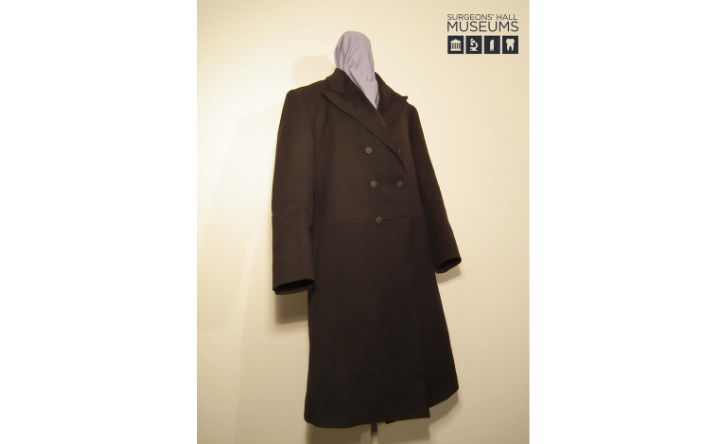
It was seen as a badge of honour for surgeons to have blood and other stains from operations on their coat. Surgeons had a reputation for smelling bad because of this! This particular coat was worn by Joseph Lister and is held at Surgeon’s Hall Museum. You can take a closer look in our Source Gallery.
Carbolic Acid

After reading Louis Pasteur’s Germ Theory, Lister came to understand that germs could spread to open wounds through the air, surgical instruments and surgeons’ hands. He’d heard that a chemical called carbolic acid was being used to decontaminate waste when sewage works were taking place, and decided to try applying this in a medical context. So, Lister sterilised surgical equipment and soaked bandages with carbolic acid to try and kill any germs.
The first time Lister tried this new method was in 1865 when James Greenless, a young boy, was run over by a horse and cart. His injuries were nasty, including a fractured leg. Usually, an injury like this would require the leg to be amputated. However, Lister decided to try his new method and repeatedly washed Greenless’s open wound with carbolic acid over a series of days. He noticed that the acid was causing irritation, so he even diluted it down with olive oil as the wound began to heal. Fast forward to six weeks after the accident that nearly lost him his leg, Greenless walked out of the hospital! This helped Lister confirm that carbolic acid works as an antiseptic.
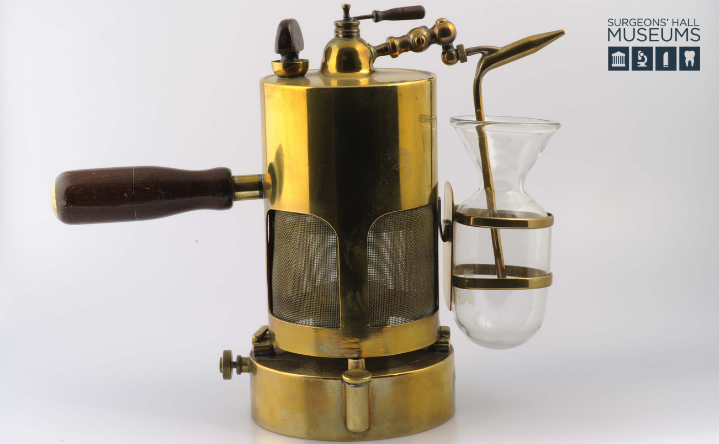
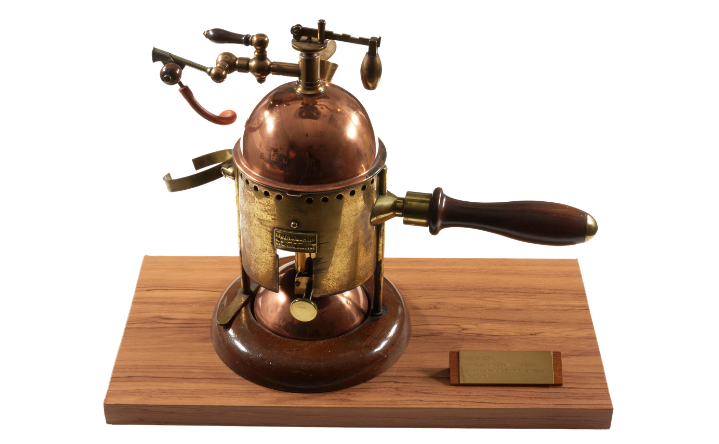
Lister’s methods significantly reduced mortality rates in surgery from roughly 45% to 15% in three years because patients were less likely to develop an infection. In 1871, Lister designed a revolutionary carbolic spray that was used for sterilising entire operating theatres by spraying carbolic acid into the air and onto the patient and surgeons. Here, you can see two examples from Surgeon’s Hall Museum (left) and Newcastle University’s Special Collections and Archives (right). You can view them in our Source Gallery.
Challenges
Lister was challenged by lots of people, even including James Simspon. People had issues with his methods because:
- Carbolic acid caused irritation to the skin (and smelled bad too!)
- Lots of surgeons still believed in spontaneous generation and hadn’t accepted the idea of Germ Theory
- Preparing everything with antiseptics required extra time and effort
- Carbolic spray machines got in the way of surgeons
- Lister’s methods weren’t the only ones out there – some people just had different ideas to him
Aseptic Surgery
Lister’s groundbreaking work led to even more changes, which encouraged surgeons to create altogether germ-free operating theatres and eventually resulted in aseptic surgery.
Charles Chamberland invented a new simple method for sterilising surgical instruments with a steam steriliser in 1881, which heated the instruments in water for around 20 minutes and meant they were germ-free ready for surgery.
A German surgeon named Gustav Neuber made sure his operating theatre was scrubbed completely before anybody entered and is known for having the first completely sterile operating theatre. He published his methods in 1886 which quickly influenced others to do the same.
An American surgeon named William Halsted kickstarted the idea of surgeons wearing protective clothing during surgery after learning that a nurse’s hands had reacted badly to the carbolic acid being sprayed in theatre. He requested a rubber company (known for making car tyres) make her some rubber gloves and this was soon picked up by Berkeley Moyniham, a British surgeon. He was the first ever person in Britain to wear gloves to carry out surgery and would change out of his clothing and into a surgical gown before carrying out his work. At the time, people thought this was strange!
Impact
Lister’s work paved the way for the sterile conditions we see in operating theatres in Britain today. Antiseptic and aseptic surgery made surgery much safer by reducing the likelihood of patients developing infections. Lister’s ideas were focused on prevention, something that is much more common in modern day medicine.
Quiz yourself!
Want to share feedback on this content? Get in touch or fill out the form.

