


Physicians
Even though new discoveries had been made by key individuals like Andreas Vesalius, Ambroise Paré and William Harvey, medical studies still continued to be influenced by ancient ideas during the Renaissance. This meant that new physicians were still being taught the ideas of Galen and Hippocrates, so patients were still being diagnosed and treated with medieval methods. Physicians charged very expensive prices, so poor people often couldn’t afford to be treated by them anyway.
Medicines
Herbal remedies were still very popular in Renaissance Britain. During this time period, new ingredients from all over the world were making their way to Britain, such as rhubarb and tobacco. Most towns had a pharmacy, and wise women still provided most treatment in their local area.
In 1653, Nicholas Culpeper famously published his Complete Herbal (which still exists in print today!). What was significant about this book is that Culpeper wrote it in English instead of Latin, so more people could read it. He worked as an apprentice to an apothecary before setting up his shop where we treated people free of charge. He chose to meet and examine his patients in person, which wasn’t as common at the time. In fact, apothecaries usually examined patients’ urine instead. Culpeper classified herbs by their uses, which was a more formal way of using herbal remedies. However, he did base much of his work on older ideas of astrology and the Doctrine of Signatures.
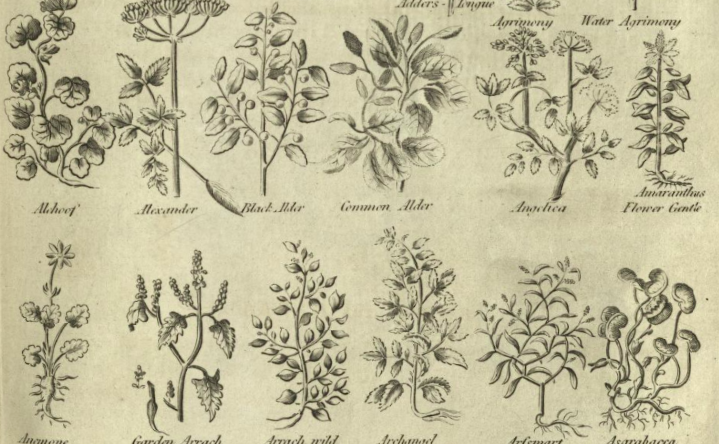
Lady Johanna St John was the lady of Lydiard House, and another important individual who worked on herbal remedies. Alongside running the household, she grew herbs in the house’s walled gardens and wrote a recipe book of herbal cures. St John’s friends in London sent her ideas for remedies to make up into medicines, which she would send back to them in London.
Quackery
During this period, people tried to make money by selling medicine, even though they were not qualified doctors and knew their treatments wouldn’t work. These people were known as Quacks. Quacks were usually travelling salesmen, who would sell their “miracle” cures out in the streets before moving on to another town. Their treatments contained all kinds of ingredients, and usually made people’s symptoms worse. Sometimes the medicine they sold worked by accident, if you were lucky!
John Hunter
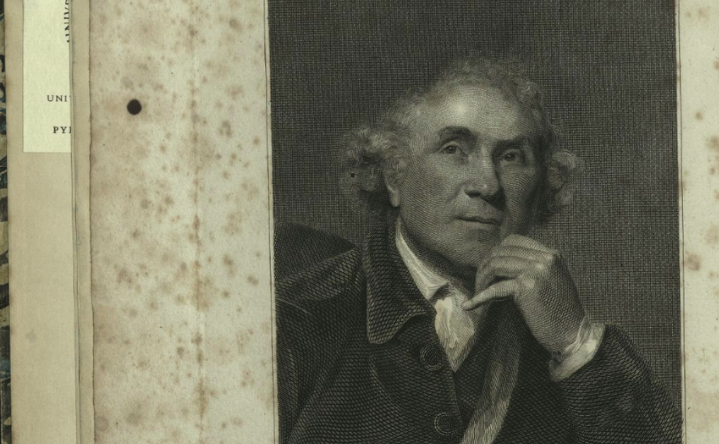
Born in Scotland in 1728, John Hunter was a surgeon and anatomist who believed in leaving wounds to heal naturally. He was known as ‘the Father of Scientific Surgery’ and taught anatomy to some of the best surgeons in the period. Like Vesalius, Hunter devoted lots of time to dissecting corpses to better understand how the human body worked. He is known for his work on gunshot wounds during his time working as an army surgeon, which you can find out about in A Treatise on the Blood.
Hospitals
In the 1530s, Henry VIII called for the dissolution of all monasteries. The closing down of monasteries also meant the closing down of hospitals too. Instead of the church providing and supporting hospitals to care for the sick, charities had to step in.
In some towns and cities, almshouses that cared for the elderly and hospitals that cared for the poor and sick were taken over by the council. In London, during the mid-1500s, five London hospitals were given royal endowments, which meant royal funds were given to them in support of their work. Often, the hospitals were given land they could earn money from by renting it out, which meant they could continue to care for the poor and sick in London while earning an income (which wasn’t usually very much).
The five hospitals who received these endowments became known as the “royal hospitals”:
- St Bartholomew’s Hospital (otherwise known as St Barts)
- St Mary Bethlehem Hospital (which also included Bethlem hospital)
- St Thomas’ Hospital
- Christ’s Hospital
- Bridewell Hospital
Outside of London, other local councils tried to secure royal endowments to keep their hospitals running. Eventually, hospitals were no longer religious spaces, and instead employed medical staff rather than religious. However, not all of the monasteries were replaced with hospitals. Some were simply not replaced which meant there was less care available for the sick. Others were replaced with pesthouses , which were meant to isolate people suffering with infectious diseases like the plague.
Later in the period, the Foundling Hospital was created to care for children who had been abandoned. Founded by a retired sea captain called Thomas Coram, the Foundling Hospital opened in 1741 after Coram saw the number of children living on the streets – including abandoned babies who had been born out of wedlock . Because of the huge number of abandoned babies, there wasn’t enough room in the Foundling Hospital for everyone who needed it and places were given through a lottery. The hospital would then find a foster family for the baby where they would be taken care of until they turned five. They would then return to the Foundling Hospital to be educated until they turned fifteen.
Charles II
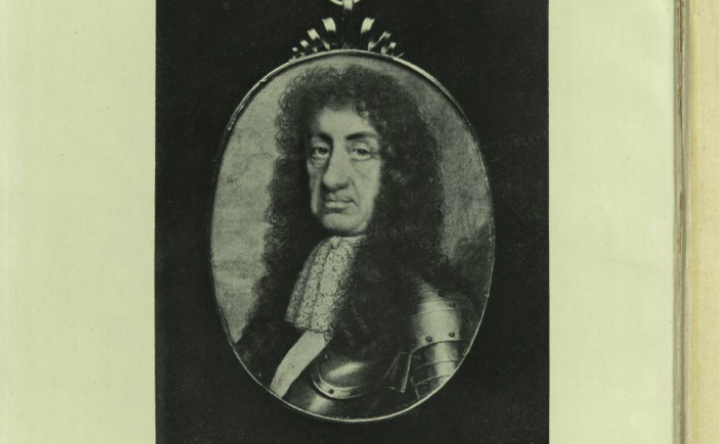
One day in 1685 King Charles II woke up very unwell, feeling faint and sick and looking very pale. Charles had access to the very best doctors at the time, who provided him with a huge range of treatments, from purging to potions.
One of the key treatments Charles received was bloodletting, which you can find out about in The Last Days of Charles II. It’s now suggested that Charles had gout, and that he eventually died of kidney failure as a result of all of the bloodletting he went through. This shows us how medieval beliefs were still very common during the Renaissance, which meant dangerous medieval treatments were still being used.
Quiz yourself!
Want to share feedback on this content? Get in touch or fill out the form.

