


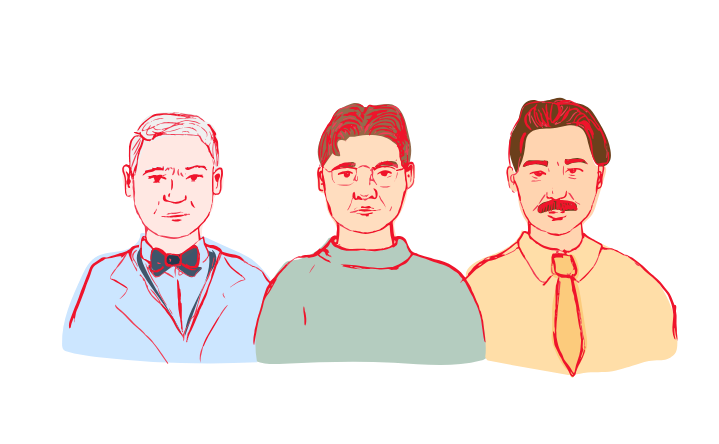
Fleming, Florey and Chain
Born in 1881 in Scotland, Alexander Fleming was a doctor who served in the Army Medical Corps throughout WWI. He is known for discovering Penicillin, and in 1944 he was knighted for his contributions to medicine.
Born in 1898 in Australia, Howard Florey was a pharmacologist. He worked at Oxford University at the time of Fleming’s discovery. Born in 1906 in Germany, Ernst Chain was a biochemist who moved to England in 1933. He also worked at Oxford University at the time of Fleming’s discovery.
Fleming, Florey and Chain won a joint Nobel Prize in 1945 for their medical discoveries.
The Discovery of Penicillin
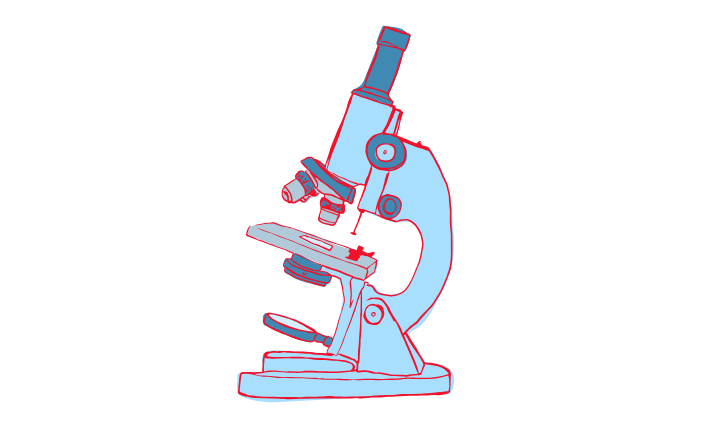
As many people know, the discovery of Penicillin was a bit of an accident. Alexander Fleming was working at St Mary’s Hospital and one day returned to his lab after taking a holiday. While he was away, he left out a petri dish containing staphylococcus bacteria (a dangerous bacteria that can cause sepsis) and returned to find it covered in mould. Interestingly this mould, called Penicillium, had killed some of the bacteria. This is the moment Penicillin, the first ever antibiotic, was discovered!
The difference between antibiotics and “magic bullets” was that antibiotics are naturally occurring, which means they come without all of the chemical side effects and are more effective. In 1929, Fleming published his discovery in a scientific journal but moved on to other work as he lacked the money to develop his discovery any further.
Did You Know?
Fleming named Penicillin an antibiotic because it means “destructive of life”.
Florey and Chain
In 1937, Howard Florey and Ernst Chain came across Fleming’s research on Penicillin and worked together to build on his work. In 1940, they experimented on mice successfully, before moving on to humans in 1941. During their human trials, a police officer who had an infected wound became the first person to try Penicillin. During the trial, Florey and Chain unfortunately ran out of Penicillin, so the police officer’s infection returned. Although this wasn’t the outcome they’d hoped for, it proved that Penicillin was effective in treating infections.
In order to distribute Penicillin more widely, Florey went to the United States in search of funding and support. After proving the trials worked, he managed to secure funding from large American pharmaceutical companies, so Penicillin could be mass-produced in 1944.
Impact
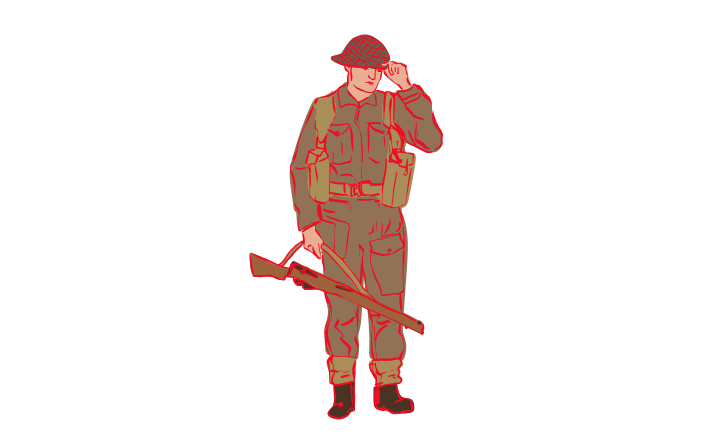
During World War Two, the demand for Penicillin was extremely high. America and Britain worked together to produce enough for their soldiers, which saved countless lives. Following the war, Penicillin was used to treat all kinds of other illnesses from impetigo to meningitis, and more antibiotics have been developed since which continue to save lives today. You’ll probably take antibiotics to treat an infection at some point!
Quiz yourself!
Want to share feedback on this content? Get in touch or fill out the form.

