


Overview of the Black Death
Find out about the Black Death from Dr Rachel Anderson from our Special Collections and Archives team.
Arrival of the Black Death
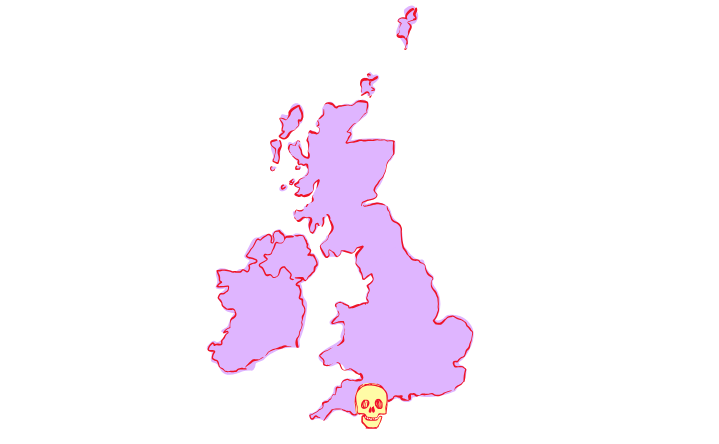
In 1348 a ship docked in Dorset, England carrying a deadly disease we now know as the Black Death. This fatal pandemic started in Asia and travelled through Europe to Britain via shipping, and changed the country completely.
Symptoms of the Black Death
Victims of the Black Death usually died within five days of catching it. There were two main types: bubonic plague and pneumonic plague. Bubonic plague was named after the swellings that would develop in the victim’s armpits and groin, otherwise known as buboes. Pneumonic plague was the deadlier of the two, but both had terrible symptoms.
From a fever, vomiting and diarrhoea, to internal bleeding and coughing up blood, you did not want to catch the Black Death.
Beliefs About What Caused The Black Death
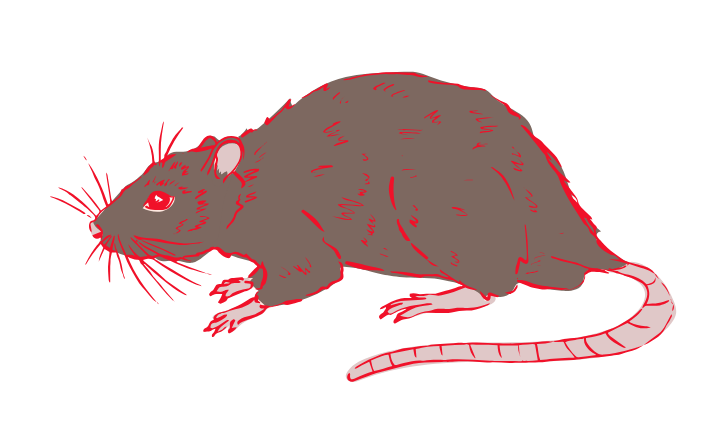
Now historians believe the Black Death was caused by a type of bacteria (called Yersinia pestis) that spread mainly through fleas living on rats. When bitten by a flea or a rat carrying the bacteria, you’d be infected with bubonic plague. Pneumonic plague was spread from person to person through coughing and sneezing.

Back then, people didn’t know about bacteria and germs, so found themselves searching for answers.
- Most of society believed God sent the Black Death as punishment for people’s sins
- Many people thought the disease was carried by bad smells in the air, known as miasma
- People still believed in the ancient ideas of Hippocrates and Galen, so the theory of the Four Humours was still popular. Some blamed the Black Death on an imbalance of their humours
- Some people turned to astrology and believed the Black Death was caused by changes in the stars or even the planets
Prevention And Treatment of the Black Death
Nowadays we could treat conditions like the Black Death with antibiotics, but they hadn’t been invited during the medieval period. So how did people try and treat it and stop the spread?
Because people believed the Black Death was a punishment sent from God, churches advised praying for themselves and others to avoid catching or dying from the disease. Many people fasted, and even whipped themselves. These people were called flagellants. Those who believed it was carried by bad smells in the air would start fires and burn herbs to purify the air, or carried flowers with them. For those who followed the theory of Hippocrates’ Four Humours, bloodletting was a common treatment thought to help rebalance a victim’s humours, but in reality it usually made people weak.
Even though people weren’t sure about what caused it, some attempts to prevent the spread of the Black Death were slightly effective. Long before the Covid-19 pandemic, some local governments ordered those who travelled between towns to quarantine for 40 days and areas where the Black Death was especially bad were sometimes locked down. Rich people who were able to travel fled to the countryside for the same reasons. Although there were some unhelpful treatments, some herbal remedies could help ease a patient’s suffering. For example, camomile was applied to victims’ buboes to ease the pain in the same way we might do today.
Impact of the Black Death
Historians can’t be certain of the exact death rate, but it’s estimated between a third and a half of the population was killed by the Black Death between 1348 and 1350. The consequences were huge. Some parts of England were left with no people, and entire towns and cities were changed.
In households, people would send away anyone who appeared to be ill – including their children! Churches couldn’t keep up with the death count so funerals weren’t offered for individuals, instead mass graves were dug. Some priests were scared to deliver funerals for Black Death victims.
Though the Black Death had eased off by 1350, over twenty further outbreaks took place before 1500. From the fifteenth century, it mainly infected busy towns which started to make people consider the importance of cleanliness.
Quiz yourself!
Want to share feedback on this content? Get in touch or fill out the form.

