


Monasteries
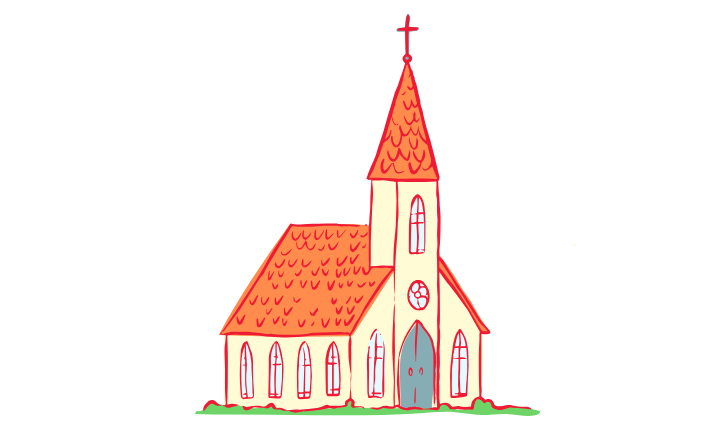
Monasteries were places of worship where monks and nuns worked and lived. Monasteries had huge libraries and preserved and produced more books than anywhere else, including medical textbooks. On top of their religious duties, monks were experts in bookmaking and produced most of the country’s books until the printing press was later invented in the 15th century. They transcribed the works of Ancient theorists like Galen, Hippocrates, Avicenna and Razes. Because of the monks’ faith, if the Church didn’t approve of an idea, a book wouldn’t be produced.
Why Were Monasteries Important?

Monks and nuns based in monasteries had very basic medical knowledge, but at the time this was probably more advanced than anybody else. For example, monasteries were often built near rivers and had impressive water systems for the time period. The monks and nuns were aware that drinking dirty water was a risk to your health, so gathered water for drinking and washing from upstream and flushed away waste water separately. Monasteries also often had a physic garden where they could grow herbs and plants to provide to the sick.
Most importantly, hospitals (sometimes known as infirmaries) were set up within monasteries to care for the sick. Over 1000 hospitals were set up in England and Wales during the medieval period, but they didn’t necessarily cure people’s illnesses. The name “hospital” comes from “hospitality” and that’s what they provided – shelter, food and rest for people who were unwell. The main form of treatment provided was prayer, as society believed illness was sent as a punishment for your sins. So, confession was thought to help cure patients.
Crucially, monks and nuns kept things clean by boiling clothes, changing bed sheets and ensuring patients were washed and bathed. So, even though they weren’t providing the kind of medical care we see in a hospital today, by keeping patients in a relaxing environment where they were fed and able to rest, many people’s conditions did improve. Despite helping improve patient care, monasteries in Britain were eventually destroyed by Henry VIII and Thomas Cromwell in the mid-1500s.
Other Hospitals
Leper hospitals were set up to specifically care for patients suffering from leprosy, as they weren’t typically welcome in standard hospitals. They were set up on the edges of towns during the leprosy epidemic that took place in the 12th and 13th centuries to keep them away from the rest of society. People with leprosy suffered with severe deformities and were not allowed to marry. People were scared of lepers because they thought they’d been given leprosy as a punishment from God. Like regular infirmaries, leper hospitals provided patients with shelter and food but no actual medical treatment.
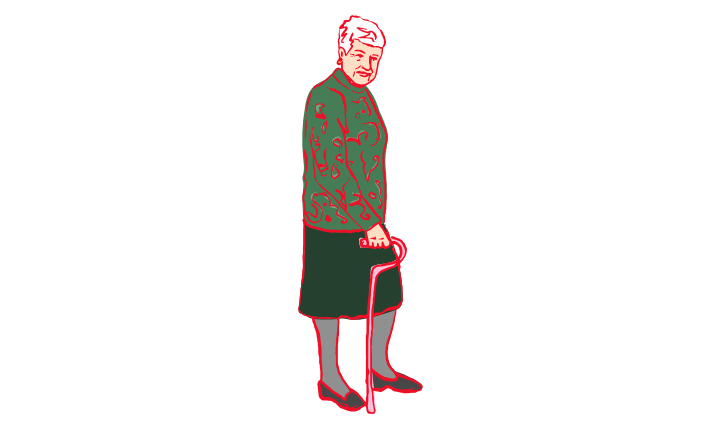
Almshouses were similar to what we might know as care homes for old-aged pensioners. They provided shelter and general nursing to elderly people, but not medical treatment. They were usually small, with one priest in charge and only a few patients. They didn’t just care for the elderly, they might provide short-term shelter for travellers and poor people, and sometimes welcomed widows and single pregnant women too.
Quiz yourself!
Want to share feedback on this content? Get in touch or fill out the form.

