


Housing
Housing in the medieval period had a significant impact on people’s health. Most people lived in very close quarters, with entire families cramped together living in one room. Houses weren’t heated like they are today, so they were often cold and damp. Only rich people could afford glass windows, so most people’s homes were dark too. They weren’t clean either – floors were covered with straw to try and help keep the heat in for winter, but if it wasn’t changed regularly that straw could become infested with fleas and rats that may carry disease.
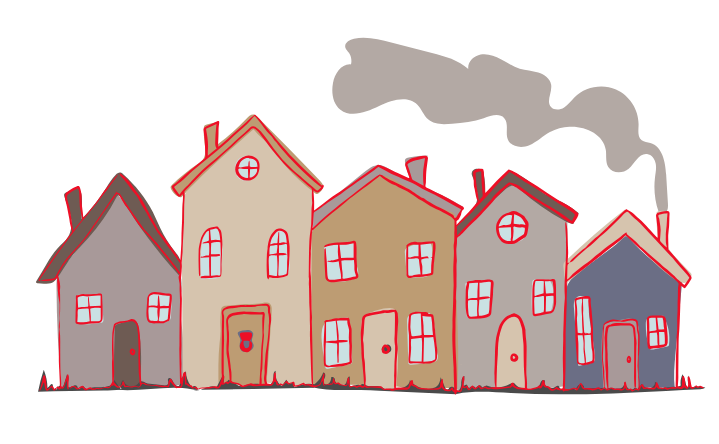
People used fire to cook, and without proper ventilation the smoke would circulate in people’s homes. Because most medieval houses featured wooden beams and thatched rooves, there was the added danger that fire would spread extremely quickly, even in rich people’s homes. There was no access to clean water as it wasn’t piped into houses like it is today. So, people drank, cooked and washed with the same water.
At the time, towns were run by corporations. These corporations would have to pay to make improvements to housing, so to keep costs low they usually avoided it.
Waste
In medieval times, there were no rules or regulations about how to dispose of waste properly like there are now. Dirty toilet water flowed into the same water that was used for washing and drinking, and this was the norm back then.
Very rich people might have had a latrine inside their house if they were lucky, but most people had latrines in a yard that were shared with several other families. People would collect water to drink from wells that were beside cesspits and cesspools where sewage would be dumped and would often leak. They weren’t cleaned out regularly either! This meant people often avoided drinking water, and instead chose to drink what was known as “small beer” – an ale that was low in alcohol and safer than water.
Did you know?
When a latrine became full, someone known as a “gongfermer would come and clean it out at night? Sometimes the waste would then be dumped in a river, so it’s no wonder people preferred drinking “small beers”!
Streets
Walking down a typical medieval city street, you’d find yourself wading through mud and horse dung, passing butchers slaughtering animals, inhaling foul smells from nearby industries and seeing rubbish piling high. It was no wonder that life expectancy was much worse in towns and cities than it was in the countryside.
There were no bins or bin collectors, so rubbish didn’t go anywhere until the rain washed it away. Dirt built up in puddles, combining the waste left behind by horses pulling carts or the remains of animals that had been butchered. There was no such thing as “zoning” back then, which meant industries like tanning were right beside people’s houses and the smell was impossible to ignore. Because many people believed disease travelled by these bad smells, known as miasma, those with outdoor space grew flowers to try and mask it. There weren’t clear footpaths like there are today either – the ground might start paved or cobbled but quickly broke down into a muddy mess.
People did know about personal hygiene and cleanliness, but this was the reality of how they had to live because of the way town and city streets were built, with industry and living spaces right beside each other.
Countryside
Disease spread faster in towns than in the countryside. In fact, you were much more likely to become ill and die in the towns and cities. In countryside villages, people could grow their own crops and had access to water through streams, wells and springs. However, animals drank from the springs, and it was difficult to avoid cross-contamination with waste water. Similar to towns, people living in the countryside cooked over open fires indoors without a proper chimney, so smoke filled the air.
People living in the countryside worked on the land farming crops, and didn’t usually travel into the polluted towns and cities unless they were going to sell on the markets. Some people also worked in mills.
When it came to waste, some houses had their own cesspit or midden. The waste gathered here would then be collected to fertilise fields and help with farming. Who knew human waste could be so valuable?
Accidental Injury, Illness or Death

In medieval times, you were far more at risk of accidental injury, illness or death.
In the busy towns and cities, you could be run over by a horse and cart on a street. It was easy to slip and fall when drawing water, and fires caught quickly and spread quickly. Food could also be dangerous too. The rye used for making most of the nation’s bread would often be stored in damp conditions, which allowed a fungus to grow on it. When the infected rye was baked into bread, if you ate the bread, you could catch a disease known as “St Anthony’s Fire”. The victim would develop burning rashes, hallucinate and could even die. It wasn’t until the 1670s after the invention of the microscope that people realised the fungus was causing the disease to spread through bread.
Famine
Having the right conditions for growing and picking crops was a priority in Medieval England. This was all part of the harvest, which provided a vital supply of food to the people. If the conditions weren’t quite right, it could lead to famine.
The Great Famine of 1315-16 came after a wet summer of torrential rain killed off all the crops, leading to a terrible harvest. This was followed by the spreading of an animal disease that attacked cows and sheep. The meat that was safe to eat couldn’t be preserved like we would today as salt was far too expensive. This meant the country went hungry. The Great Famine affected not only Britain, but also wider Europe. The impacts continued to be felt until the 1320s, killing around 10% of England’s population.
Warfare
Throughout the medieval period, armies grew from being very small (with only hundreds of soldiers) to tens of thousands of soldiers being called to battle later in the period. This meant lots of deaths during that time were people lost to fighting in wars.
War could be dangerous even if you were a regular civilian. If you lived in a town or city that was being besieged and didn’t leave or surrender quickly, you’d usually be killed or driven out. While travelling across the country, armies would help themselves to supplies like food and fodder, not considering that the people from those farms, towns and villages would go short. When passing through, the army might also steal your livestock or even burn down your house!
Did you know?
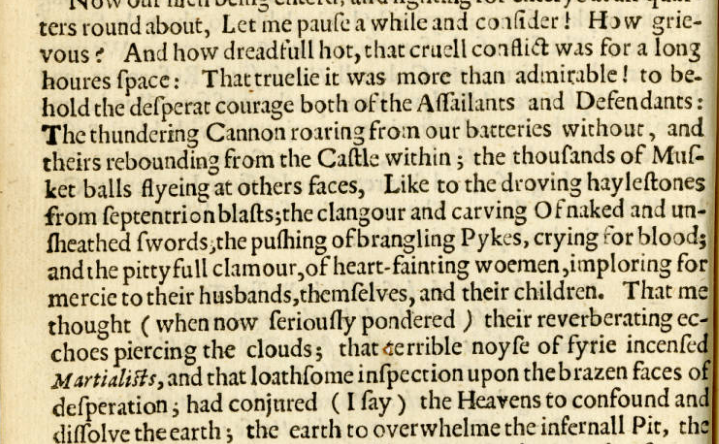
The siege of Newcastle took place in 1644. In this source, a Scottish soldier provides an account of the fighting that took place when the Scots stormed the walls of Newcastle. He describes how the women of Newcastle begged for mercy: “The pittyfull clamour, of heart-fainting woemen, imploring for mercie to their husbands, themselves, and their children.”
Diet
Medieval diets varied between the rich and the poor, but one of the most common dishes for anyone was pottage – a thick soup cooked in a big pot, sometimes made with animal bones.
Because England was a Catholic nation, everybody ate fish on Fridays as the church ruled that people must not eat land animals on the day that Jesus was executed. Some people even set up their own village fish ponds to source their fish. However, people didn’t actually know that fish are full of nutrients, they were simply eating this way for religious reasons.
Most people drank what was known as “small beer” – an ale that was low in alcohol – because the water they had access to was polluted and unsafe to drink. In the countryside villages, people could drink cider made from their own apples. They would grow fruit and vegetables in their gardens and could also access varied foods like milk and cheese from cows or sheep and eggs from hens, allowing them to have more of a balanced diet.
In cities and towns, traders would set up market stalls and sell all sorts, from fruit and fish to grains and cheese. Because there were no refrigerated vehicles like the trucks supermarkets use now, butchers would walk live cattle to the markets before slaughtering them. Some vendors sold hot food too.
Most medieval people lived in poverty, surviving on pottage and bread. Many were malnourished and child mortality rates were extremely high during the period. With poor diet, people were weak, unwell and unable to work, so stayed in poverty for longer.
Quiz yourself!
Want to share feedback on this content? Get in touch or fill out the form.

