


Barber Surgeons
In Medieval Britain, you might find the person who cuts your hair also carrying out operations. Known as barber surgeons, they’d work mostly in towns and cities pulling out people’s teeth, amputating limbs and carrying out bloodletting. Barber surgeons were expected to have worked as an apprentice to someone more experienced before doing their own operations, but it wasn’t the same level of training surgeons have today.
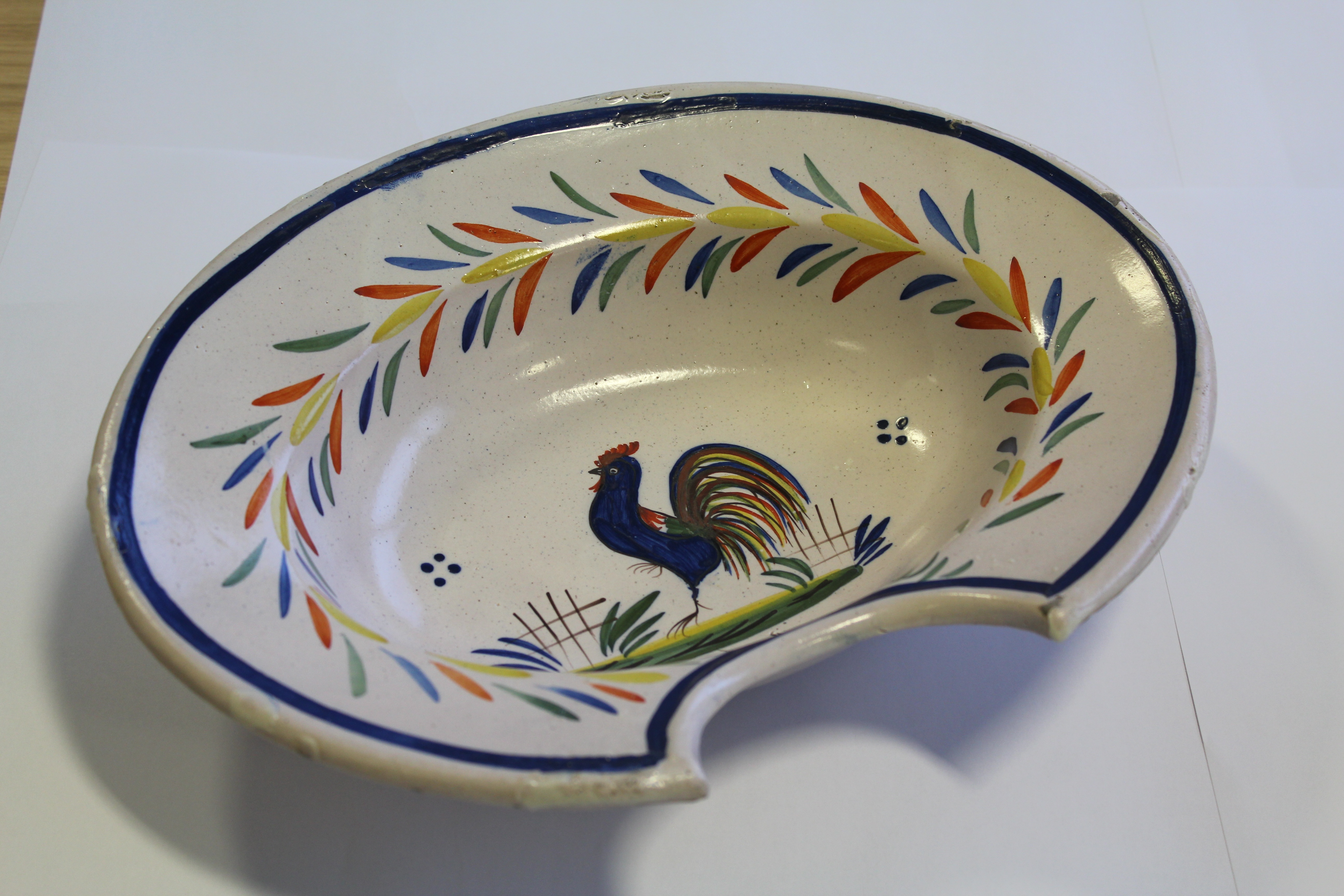
Bloodletting was a common procedure used by doctors and barber surgeons to treat a wide range of medical conditions. People believed illnesses could be caused by having too much blood in the body based on the idea of the Four Humours, so barber surgeons would cut a patient and collect their blood in a bleeding bowl. The blood collected in the bowl was examined by doctors to help them decide on a diagnosis.
Did You Know?
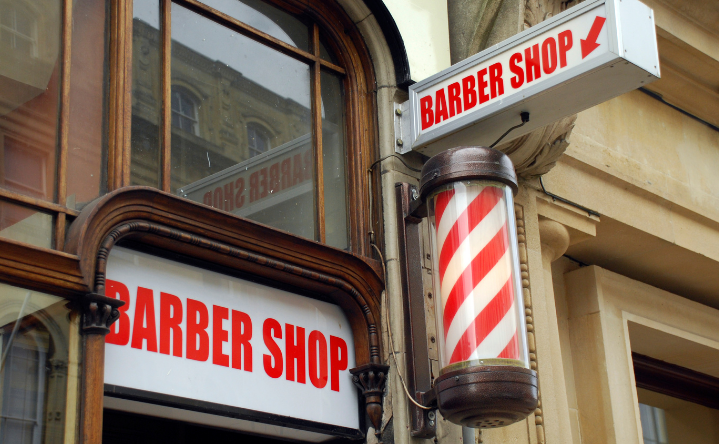
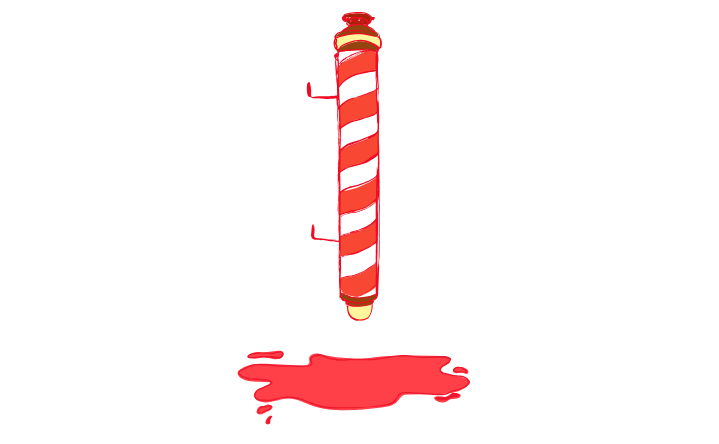
The red and white poles we see outside of modern day barbers date back to barber surgeons? The red stripes represent blood and the white stripes represent bandages. Back then, the bloodier the bandages meant the better the surgeon!
John Arderne
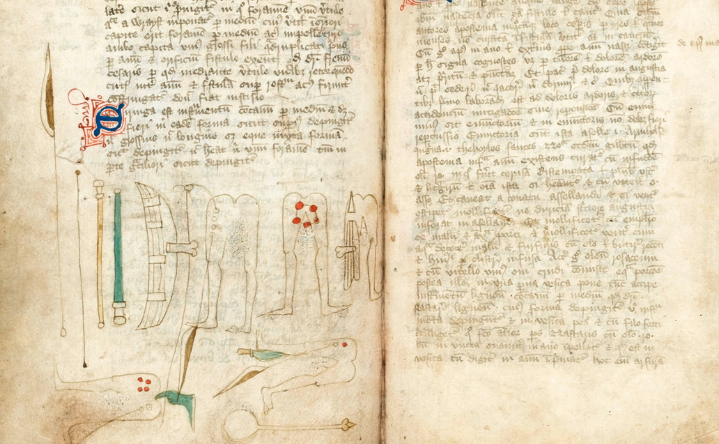
Born in 1307, John Arderne was a London-based surgeon who performed challenging operations with a surprising success rate for the time. As we can see from these illustrations in his work, he was known for removing anal fistulas, the name for swellings or openings that develop in the body. Knights were especially prone to developing anal fistulas after riding horseback in battle.
Arderne also took his work to the battlefield, where he performed surgery on serious war wounds and amputated limbs. Until then, the deepest wounds would usually be cauterised, which meant they would be sealed using a heated piece of iron. This method was dangerous as it could lead to severely burning a patient or even death. Learning from his battlefield experiences, John Arderne created an ointment to reduce pain, made up of hemlock, opium and henbane. This was hugely influential as it helped the healing process and meant cauterisation wasn’t needed as much.
Arderne was not just ahead of his time in his approach to surgery, but also in his ideas about bedside manner. He wrote about the importance of doctors being polite and calm when speaking to patients. Although he charged the rich a lot, he treated the poor for free.
Apothecaries
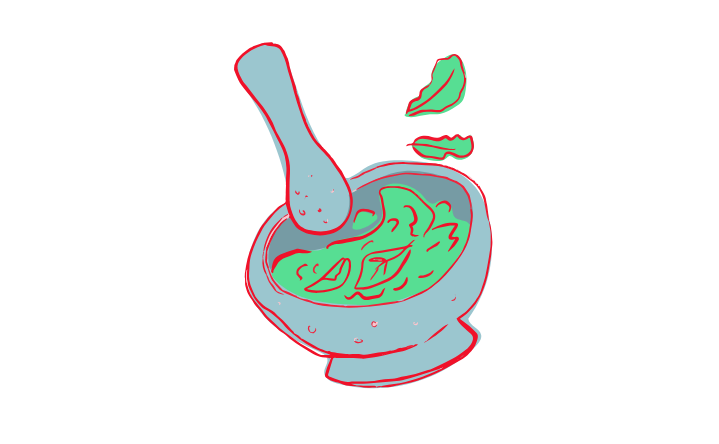
Apothecaries provided herbal remedies, selling medicines and herbs in their local area. Not everybody could afford to see an apothecary, so they might try and make their own remedies at home. Apothecaries sold their medicines to doctors, or directly to ill people if they could afford it. To become an apothecary, you had to work and learn from another apothecary first.
Wise Women
For people who couldn’t afford to see the apothecary, they would often rely on women in their family to treat their illnesses. Some women who had a reputation for their medical knowledge and skills became known as “wise women”. They usually charged less than apothecaries and would know their patients well already. Some wise women also looked after pregnant women in their local area, taking on the role of midwife.
Religion

Because illnesses and diseases were widely believed to be sent as a punishment from God for people’s sins, people turned to prayer to try and prevent becoming unwell. It was thought that if you lived an upstanding life, prayed regularly, went to church and were kind you’d remain healthy, and only those who sinned without confessing it would fall ill.
Purifying Air and Keeping Clean
Because people believed bad smells caused illnesses, known as miasma, cleanliness was really important to medieval people. Everyone would typically wash their hands before and after eating, and bath houses were reasonably cheap for people to wash the rest of their bodies. Purifying the air itself was also important to people as that’s how bad smells were carried, so people would carry a posy of flowers with them to avoid inhaling anything smelly!
Quiz yourself!
Want to share feedback on this content? Get in touch or fill out the form.

